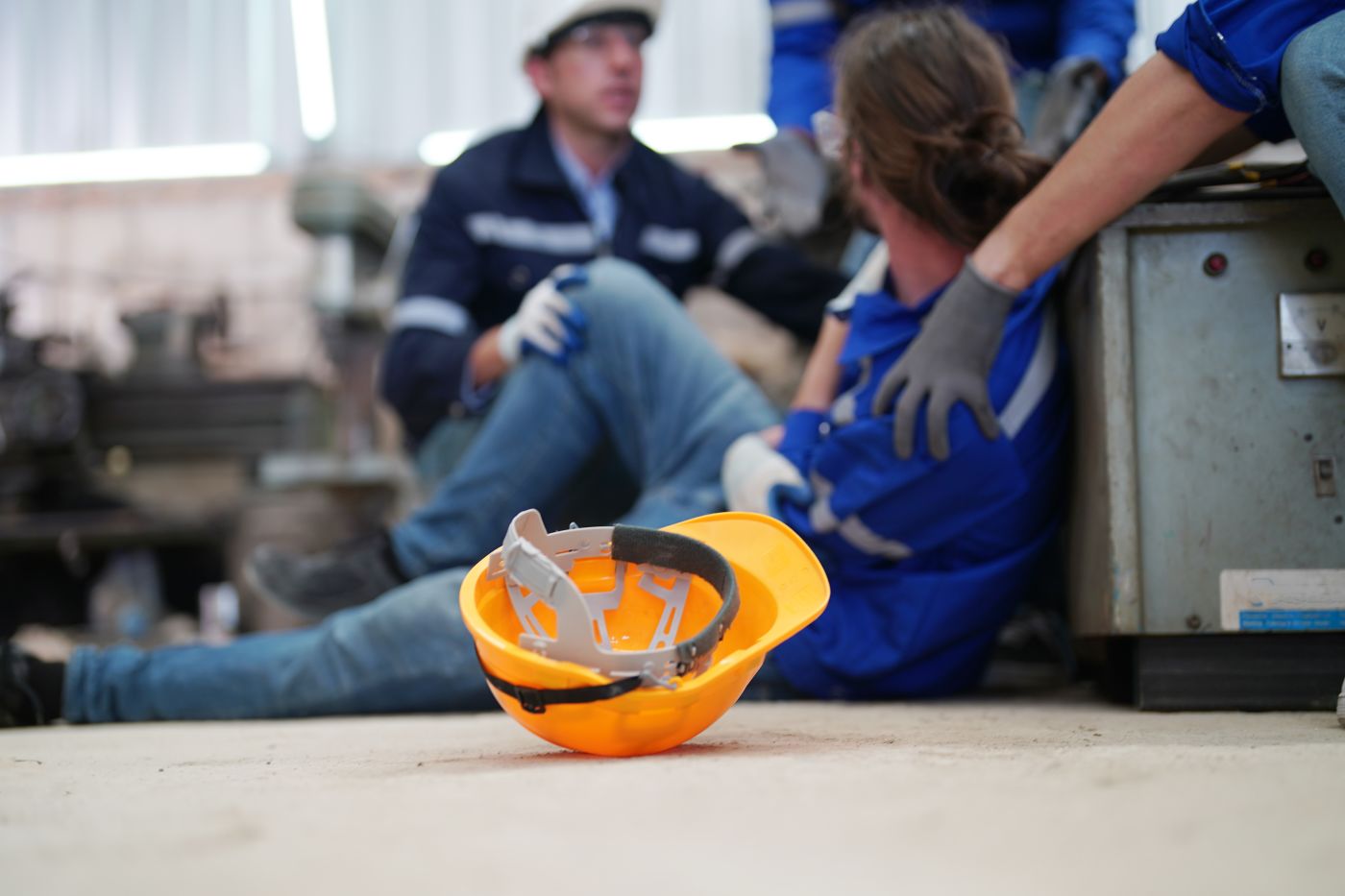
Maybe the guardrail your supervisor kept promising to fix finally gave way, or the forklift with soft brakes stayed in service one week too long. In Utah, proving your employer was careless usually won't increase your workers' compensation benefits or let you sue your employer.
Workers' comp is a no-fault system, so you're entitled to benefits whether anyone was negligent, and it's generally your only remedy against an insured employer. The big exceptions involve uninsured employers, intentional injuries, and negligent third parties.
That's why the details of how you got hurt still matter, even when fault doesn't change your weekly check. At Preston Day Law, PLLC, we help injured workers in Alpine and throughout Utah County and Salt Lake County figure out whether their situation fits one of those exceptions. We offer free consultations so you can get answers before you sign anything or give a recorded statement.
Why Employer Negligence Doesn't Change Your Benefits
Utah's system trades your right to sue for guaranteed benefits. According to the Utah Labor Commission, workers' compensation is a no-fault program, so neither you nor your employer has to prove who caused the injury. In exchange, Utah's exclusive remedy statute generally bars lawsuits against an employer, coworkers, and supervisors for on-the-job injuries.
The tradeoff cuts both ways. An employer's sloppy safety practices won't increase your claim. Still, your own mistake usually won't sink it either, except in narrow cases, such as injuries tied to drug or alcohol use.
What Workers' Comp Pays and What It Leaves Out
Workers' compensation covers reasonable and necessary medical care, a portion of lost wages, and benefits for permanent impairment. Temporary total disability generally pays about two-thirds of your average weekly wage, subject to a state maximum.
What it doesn't pay matters just as much. It doesn't compensate for pain and suffering, and wage benefits rarely replace a full paycheck. That gap is why employer negligence matters: it can support a separate claim to recover the losses workers' comp leaves behind.
When You Can Sue Your Employer Directly
Utah allows a direct lawsuit against an employer in only two main situations. Both are narrower than most people expect:
Your Employer Didn't Carry Workers' Comp
Most Utah employers must secure workers' compensation coverage. When an employer doesn't, Utah Code § 34A-2-207 strips away its exclusive-remedy protection. You can sue for injuries caused by the employer's negligence, and the employer can't defend itself by blaming you, a coworker, or the risks of the job.
Proof of the injury creates a presumption of employer negligence, and a successful employee can recover costs and reasonable attorney fees. You may instead pursue benefits through the Labor Commission, which can involve Utah's Uninsured Employers' Fund.
The Injury Was Intended or Expected
Utah courts recognize an exception for intentional injuries, but it's not a gross negligence exception. In Helf v. Chevron, the Utah Supreme Court explained that an employer can act with intent to injure if it knew or expected an injury would occur, even when its motive was saving money. Later decisions require facts showing the employer was virtually certain someone would get hurt. Ignored safety complaints or a citation for a hazard, standing alone, usually won't clear that bar.
Third-Party Claims When Someone Else Shares the Blame
The most common path beyond workers' comp runs through someone other than your employer. Under Utah Code § 34A-2-106, you can collect workers' comp and also sue a negligent outside party, such as a subcontractor's crew, a driver who hit your work truck, or the manufacturer of defective equipment. These personal injury claims can include pain and suffering and full lost earnings.
There's a catch worth planning for. The workers' comp insurer generally has the right to reimbursement from a third-party recovery, so you must coordinate the two claims rather than handle them in isolation.
Deadlines and Evidence That Protect Your Options
Report your injury to your employer right away. Utah law can bar benefits if you don't report within 180 days. If benefits are denied, you can file an Application for Hearing with the Labor Commission's Adjudication Division, and you must file most injury claims there within six years of the accident. Separate lawsuits carry their own deadlines, which can be far shorter when a government entity is involved.
While memories are fresh, keep photos of the scene, witness names, and any texts or emails about the hazard. Workers' comp doesn't require proof of fault, but a third-party case or an intentional injury claim often does.
Sort Out Your Work Injury Options With Preston Day Law
Figuring out whether an unsafe workplace opens a door beyond workers' comp takes a close look at who was involved and what they knew. Our Attorney Preston Day brings a trial lawyer's eye to that question.
He began his career as a prosecutor in Nevada and Utah, including the Salt Lake County District Attorney's Office, and he took more than 100 cases to trial. He also has professional training in personal injury law. Since 2020, our firm has treated clients like family, not file numbers. We listen first, keep you updated as things move, and build your strategy with you, because your voice belongs in your case.
With our Alpine, Utah personal injury lawyer, we serve injured workers across Utah County and Salt Lake County. Call us for a free consultation. We'll talk through what happened on the job and where your claim can go from here.