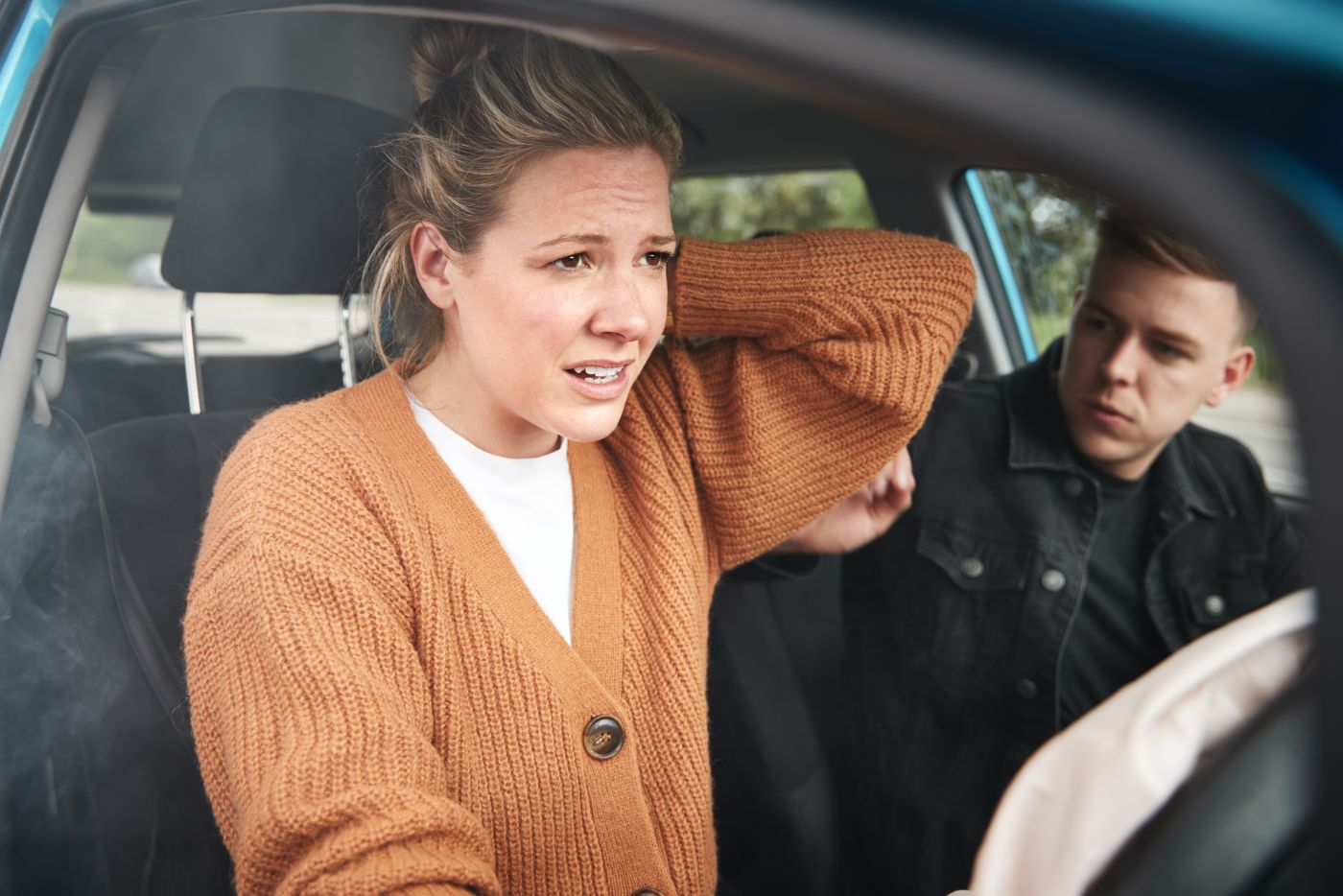
Being involved in a multi-vehicle crash can be frightening, confusing, and emotionally exhausting. In the moments after a collision involving several vehicles, it may be unclear what happened, who caused the crash, or why it unfolded the way it did.
Many people are left dealing with injuries, vehicle damage, and sudden disruptions to their daily routines while trying to make sense of insurance company calls requesting statements or documentation. When the fault is unclear, these pressures can feel overwhelming and difficult to manage on one's own.
Under personal injury law, determining fault in a multi-vehicle crash requires more than identifying which car was hit first. Liability depends on each driver's behavior before and during the collision, as well as on whether outside factors contributed to the crash.
Our attorney at Preston Day Law helps clients understand how liability is evaluated in these situations and how their rights are addressed throughout the claims process. By focusing on clear explanations and fact-based advocacy, we help clients move forward with greater confidence when answers aren’t immediately obvious.
We proudly serve individuals and families throughout Utah County and Salt Lake County from our office in Alpine, Utah. Reach out today to schedule a consultation.
Why Multi-Vehicle Crashes Raise Liability Questions
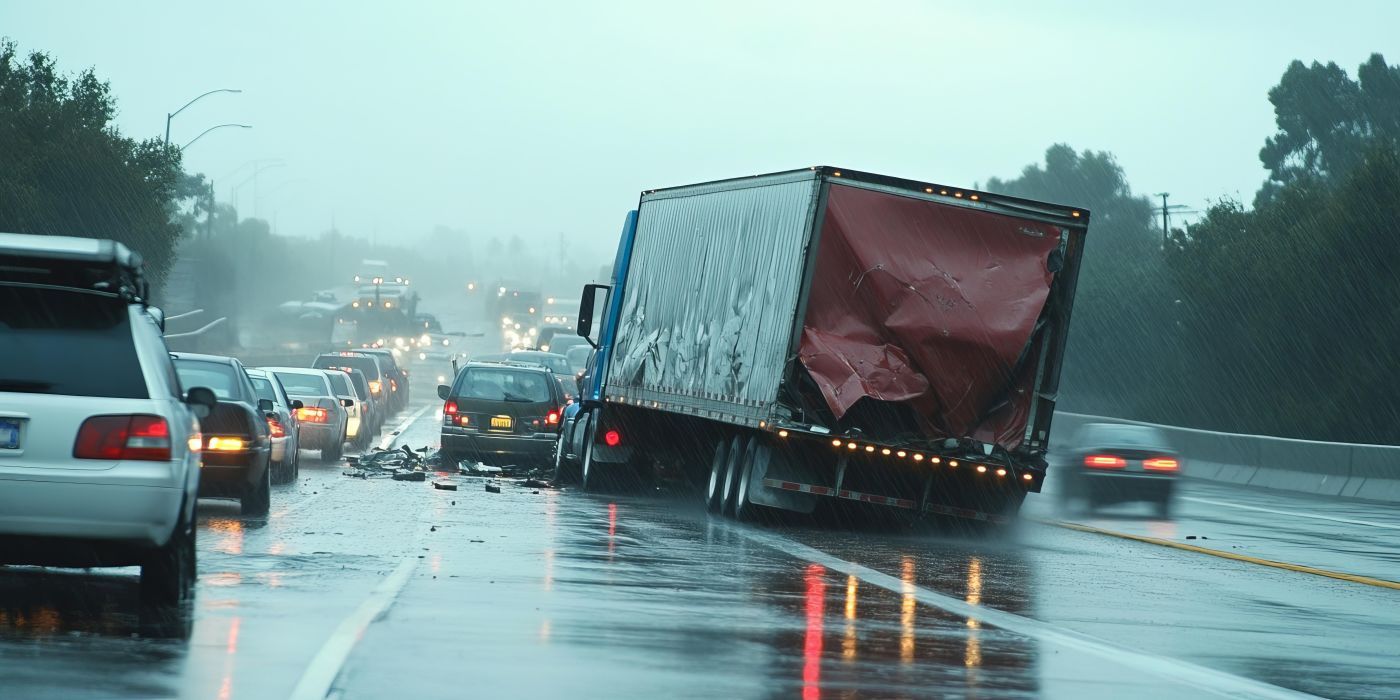
Multi-vehicle crashes are different from two-car accidents because they often involve a chain of events rather than a single mistake. One driver may initiate the collision, but others may follow too closely, react too slowly, or make unsafe decisions that contribute to the overall outcome.
These crashes frequently occur in heavy traffic, construction zones, or during adverse weather conditions, all of which can complicate the question of responsibility. As a result, liability is rarely straightforward and often requires a detailed review of multiple factors.
Utah follows a comparative fault system, which allocates responsibility among multiple parties based on their actions. This means more than one driver may be held accountable for a portion of the crash, depending on how their behavior contributed to the injuries and damage.
Even if an injured person is found partially at fault, they may still pursue compensation, provided their share of responsibility falls within legal limits. Understanding how comparative fault works is an important step when pursuing compensation in a personal injury case.
How Fault Is Evaluated After a Chain-Reaction Collision
Evaluating fault after a chain-reaction collision involves reconstructing the sequence of events leading up to the crash. Investigators and insurance companies examine what each driver was doing in the moments before impact, including speed, following distance, and attentiveness.
Small details, such as whether brake lights were functioning or whether a driver had time to react, can influence how responsibility is divided. This process often takes time and relies heavily on evidence gathered at the scene and afterward.
Several types of evidence are commonly reviewed when fault is assessed, including:
Police reports and scene documentation: Officers note vehicle positions, road conditions, and initial statements, which may shape early views of liability.
Witness accounts: Neutral third parties can offer perspectives that clarify which actions contributed to the crash or who failed to respond appropriately.
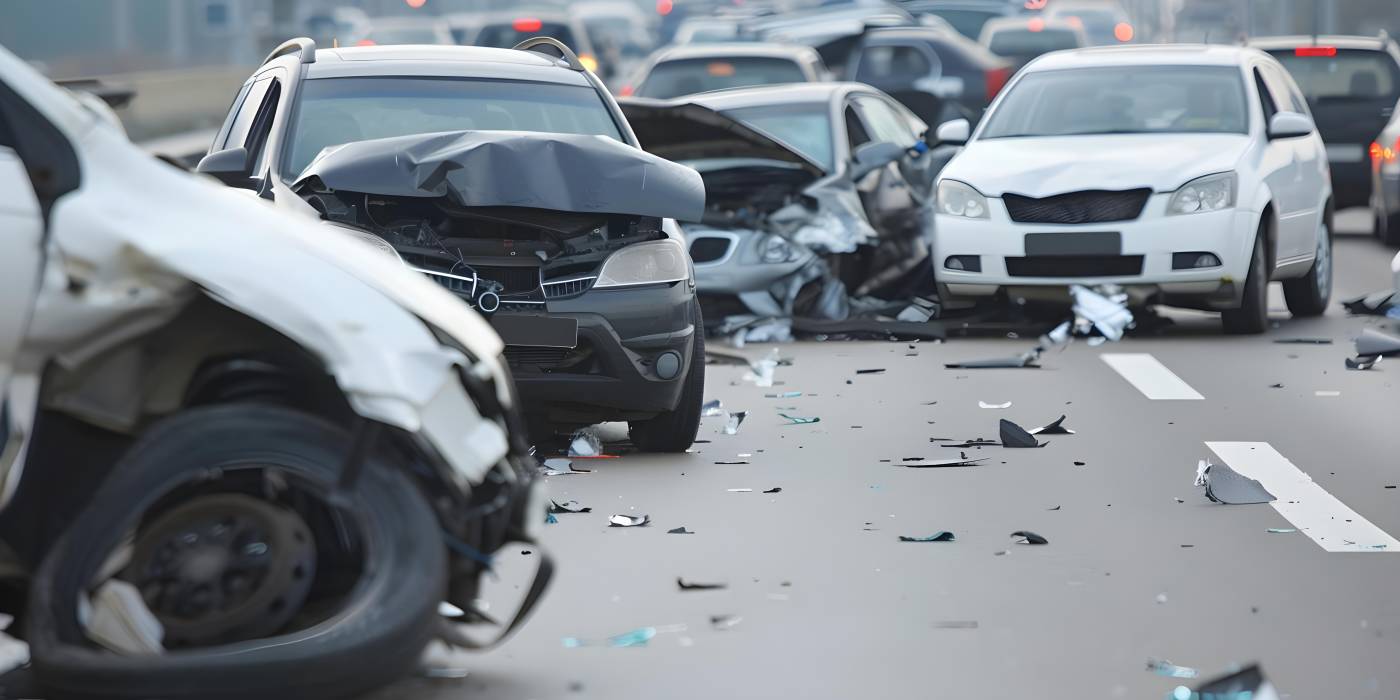
Vehicle damage patterns: The location and severity of damage often indicate the order of impacts and how the collision progressed.
Traffic laws and violations: Actions such as speeding, distracted driving, or following too closely can weigh heavily when fault is assigned.
When these elements are examined together, they help create a more complete understanding of what occurred. Rather than relying on assumptions, liability decisions are based on how the evidence fits together. This approach allows injured individuals to pursue claims that reflect the facts of the crash and their real-world impact.
Multiple Parties Who May Share Responsibility
In many multi-vehicle crashes, liability extends beyond the drivers involved in the collision. While driver behavior is often central, other parties may play a meaningful role depending on the circumstances. Identifying all potential sources of responsibility is an important part of building a complete personal injury claim.
Overlooking one party can limit the compensation available to cover medical care, lost income, and long-term effects. Potentially responsible parties may include:
Other drivers in the collision: Multiple motorists may have acted carelessly, contributing to the chain reaction.
Employers of commercial drivers: When a work vehicle is involved, the employer may share responsibility for the driver’s conduct.
Vehicle manufacturers: Defective components, such as brakes or tires, may contribute to causing or worsening the crash.
Government entities: Unsafe road design, poor signage, or lack of maintenance can create hazardous driving conditions.
Carefully reviewing each possibility helps create a clearer picture of accountability. A thorough evaluation supports a stronger claim and helps injured individuals pursue compensation from all appropriate sources under personal injury law.
How Insurance Companies Approach Shared Fault
Insurance companies often approach multi-vehicle crashes with a focus on limiting their financial exposure. When several drivers and policies are involved, insurers may dispute how fault should be allocated and attempt to shift responsibility away from their insureds.
This can lead to disagreements over fault percentages, which directly affect how much compensation an injured person may receive. In some cases, insurers argue that injuries or damages were caused by another driver further down the chain of collisions. Because of this approach, documentation and consistency matter. Statements made early in the process may suggest a greater degree of responsibility than the evidence supports.
Focusing on objective facts, such as physical evidence and witness testimony, helps counter attempts to minimize legitimate claims. When comparative fault rules are applied correctly in personal injury law, outcomes are more likely to reflect what actually happened rather than what benefits an insurer.
Steps You Can Take After a Multi-Vehicle Crash
The steps you take after a multi-vehicle crash can significantly influence how liability is evaluated and how your claim develops. When fault is disputed or shared among multiple parties, early actions become even more important. Taking the time to document details and protect your health can help preserve information that supports your position later. Helpful steps to consider include:
Seek medical attention promptly: Medical records help connect your injuries to the crash and document their severity over time.
Document everything you can: Photos, videos, and written notes about the scene can capture details that may later be questioned.
Limit discussions with insurers: Early statements can be misunderstood or used to assign additional fault.
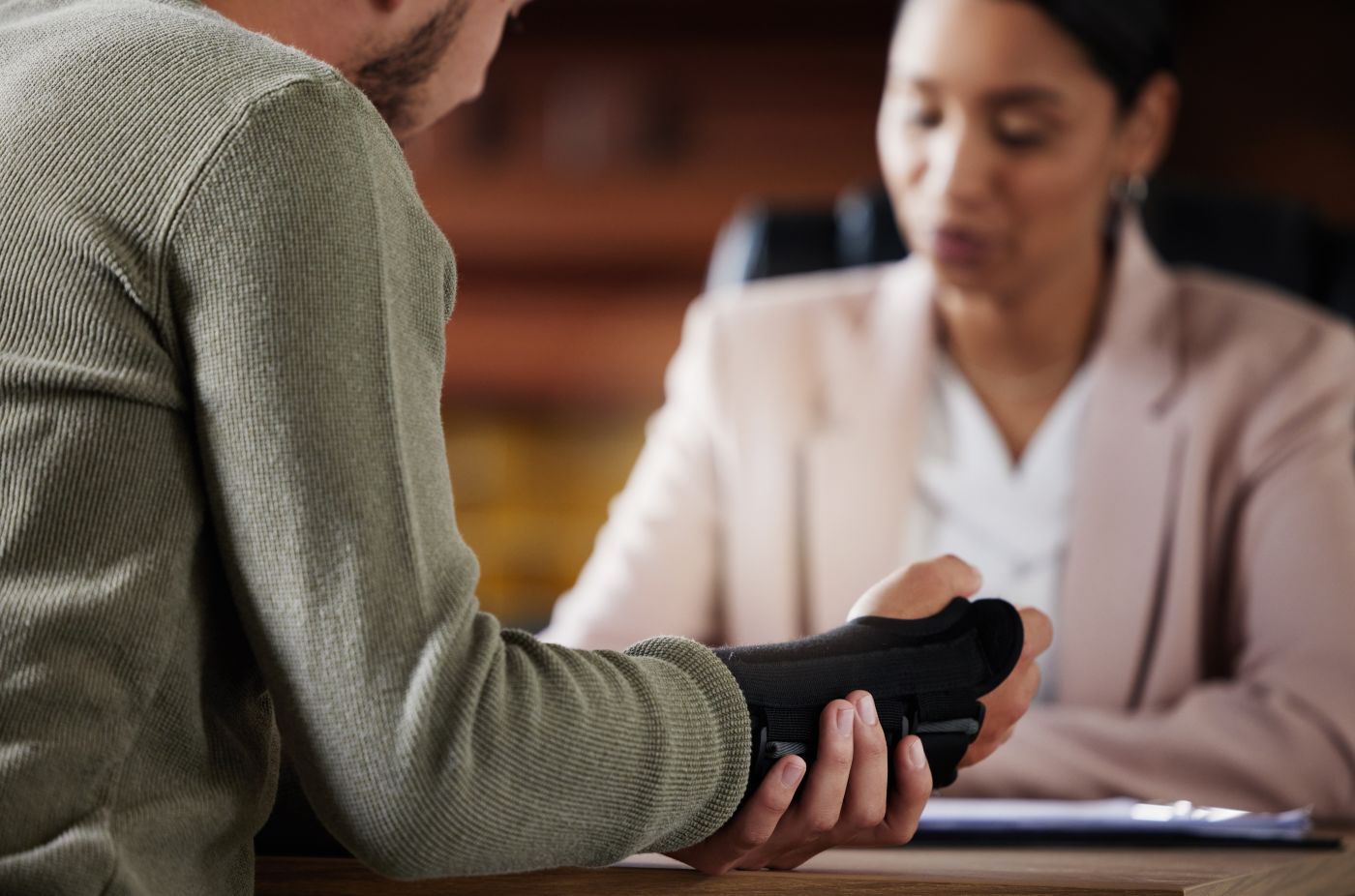
Keep records of expenses and daily impacts: Tracking medical bills, missed work, and lifestyle changes strengthens your claim.
By following these steps, you create a clearer record of how the crash affected your life. This documentation supports a more accurate evaluation of liability and compensation under personal injury law. It also helps present your experience in a way that reflects the full scope of your losses.
Seek Our Support When Fault Feels Unclear
Multi-vehicle crashes rarely provide immediate clarity, especially when injuries are involved, and responsibility is divided. It’s common to feel uncertain about what steps to take or how fault will ultimately be assigned.
Personal injury law provides a structured framework for addressing shared responsibility and pursuing compensation based on evidence rather than speculation. Having guidance during this process can make a meaningful difference. At Preston Day Law, our focus is on helping individuals understand their options, work through liability questions, and pursue accountability where it belongs.
If you are facing uncertainty after a multi-vehicle crash, we invite you to reach out to discuss how personal injury law may apply to your situation. We assist clients throughout Utah County and Salt Lake County from our Alpine, Utah office. Come to us to take that step and move forward with greater clarity and confidence.