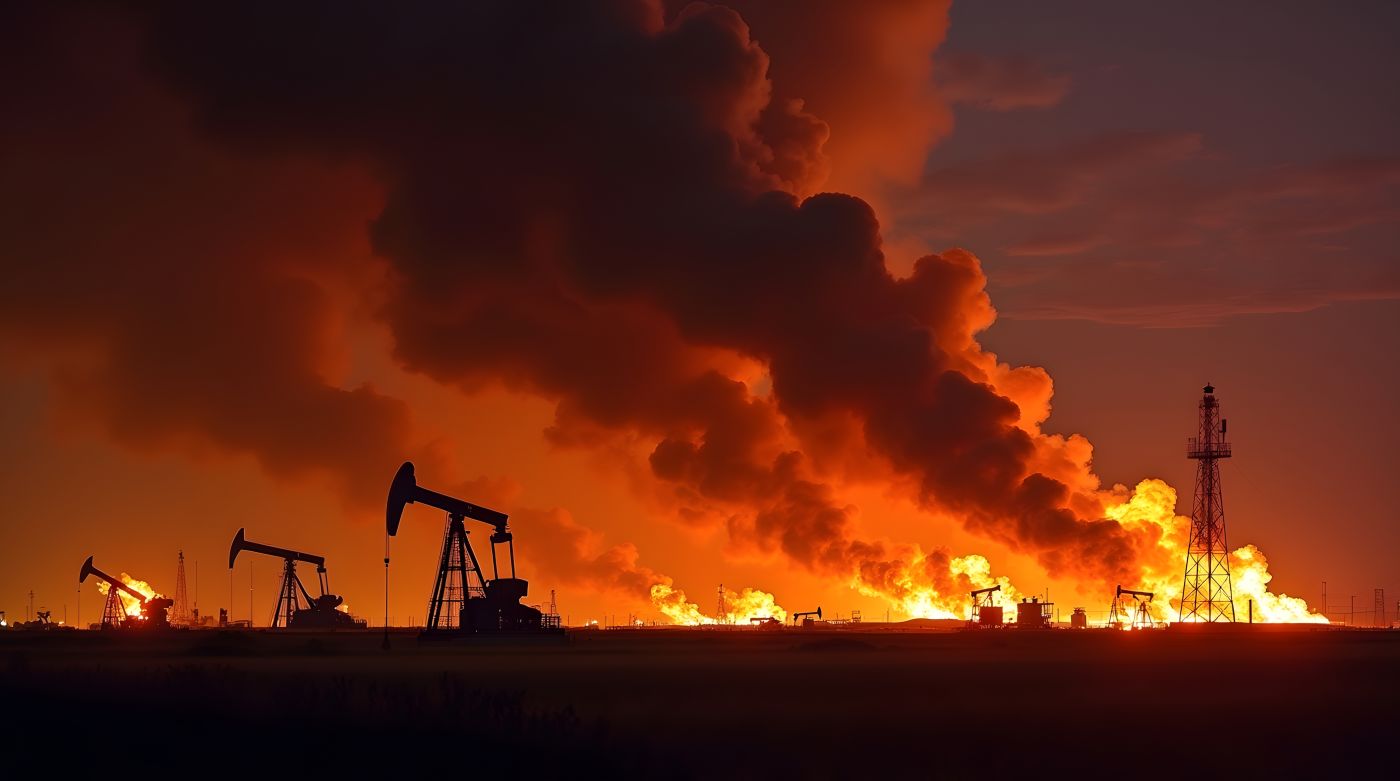
Oil field explosions and burn injuries are among the most severe workplace accidents, often resulting in extensive physical harm and long-term emotional distress. These incidents can occur without warning, turning an ordinary workday into a medical emergency within seconds.
Victims may face prolonged hospital stays, surgeries, rehabilitation, and an uncertain path back to work. Beyond physical injuries, the financial strain from medical bills and lost income can quickly become overwhelming. Having the right guidance from a personal injury lawyer can make a significant difference in protecting your rights and pursuing compensation.
The legal and insurance issues that follow an oil field accident can add another layer of stress during an already difficult time. Questions about fault, benefits, and compensation often arise before victims have had time to process what happened.
Fortunately, our attorney at Preston Day Law helps injured individuals understand their legal options, address liability concerns, and pursue compensation, so they can focus on healing rather than handling the claims process alone. We proudly serve clients throughout Utah County and Salt Lake County from our Alpine, Utah office. Contact us today to get started.
Causes of Oil Field Explosions & Burns
Oil field explosions can result from a wide range of hazardous conditions, many of which are present during routine operations. Heavy machinery, flammable materials, and high-pressure systems create an environment where even a small failure can have serious consequences.
Equipment malfunctions, such as faulty valves, pumps, or electrical components, can allow gas or oil to escape and ignite. When machinery isn’t properly maintained or inspected, the risk of catastrophic failure increases significantly. Human error is another common factor in oil field explosions and burn injuries. Workers may be asked to operate under tight deadlines, long shifts, or inadequate training conditions, increasing the likelihood of mistakes.
Errors such as bypassing safety procedures, misreading pressure levels, or failing to identify leaks can quickly escalate into dangerous situations. Environmental conditions, including extreme heat, lightning strikes, or unstable terrain, can further heighten the risk and worsen the severity of an explosion or fire.
Identifying the cause of an explosion plays an important role in determining liability, even though it doesn’t automatically establish fault. Understanding what went wrong helps clarify whether safety protocols were followed and whether negligence may have played a role. A personal injury lawyer can help examine these factors and connect them to the injuries suffered. This process supports a claim that reflects both the cause of the accident and its lasting impact.
Common Injuries From Oil Field Explosions
Oil field explosions frequently result in injuries that are both severe and life-altering. Victims may suffer damage that affects their ability to work, care for themselves, or enjoy daily activities. Many injuries require immediate emergency care followed by months or years of treatment. Common injuries associated with oil field explosions include:
Burns: Thermal, chemical, or electrical burns may range from minor surface injuries to deep tissue damage requiring skin grafts and reconstructive surgery.
Blast injuries: The force of an explosion can cause internal organ damage, traumatic brain injuries, and nerve damage, even without visible wounds.
Lacerations and fractures: Flying debris and collapsing structures often lead to deep cuts, broken bones, and crush injuries.
Respiratory damage: Smoke, toxic fumes, and chemical inhalation can result in long-term breathing problems or chronic lung conditions.
Thorough medical documentation is essential when pursuing compensation for these injuries. Records help demonstrate the severity of harm, the course of treatment, and the long-term effects on a victim's life. Clear documentation helps insurers and courts better understand how injuries affect current health and future stability.
Liability and Who May Be Responsible
Determining liability after an oil field explosion is rarely straightforward, as multiple parties may share responsibility. Employers have a duty to provide reasonably safe working conditions, including proper training, functioning equipment, and adherence to safety regulations.
When these obligations aren’t met, employers may bear responsibility for resulting injuries. Workplace safety failures often become central issues in oil field accident claims. Other parties may also be responsible depending on the circumstances.
Equipment manufacturers may be liable if defective machinery or components contributed to the explosion or burn injuries. Contractors or subcontractors working on-site may share responsibility if their actions created unsafe conditions or violated safety protocols. In some cases, regulatory violations or ignored safety warnings can further support claims of negligence.
Identifying every potentially responsible party is a critical step in pursuing full compensation. A thorough investigation helps prevent important details from being overlooked. By addressing liability from all angles, a personal injury lawyer can build a case that reflects the full scope of losses, including medical expenses, lost income, and emotional distress.
Steps to Take After an Oil Field Accident
The actions taken after an oil field explosion or burn injury can influence both recovery and the strength of a legal claim. Immediate steps help protect health, preserve evidence, and create a clearer record of what occurred.
These measures are especially important in industrial accidents where liability may be disputed. Acting thoughtfully can help reduce confusion later in the claims process. Important steps to consider include:
Seek immediate medical attention: Prompt care protects your health and creates medical records linking injuries to the accident.
Document the scene: Photos, videos, and notes about equipment, conditions, and visible hazards can preserve key evidence.
Report the incident: Notify supervisors and request a written incident report for your records.
Limit discussions with insurers: Statements made too early may be misunderstood or used to shift responsibility.
Track your recovery: Keep detailed records of treatments, medications, missed work, and daily limitations.
These steps help protect your interests while supporting a clearer presentation of facts. They also give your personal injury lawyer the documentation needed to build a strong claim. Taking action early can meaningfully influence how liability and compensation are evaluated.
Pursuing Compensation With a Personal Injury Lawyer
Seeking compensation after an oil field explosion often involves more than a single insurance claim. Employers, insurers, contractors, and manufacturers may all be involved, each with their own legal positions. A knowledgeable personal injury lawyer may assist by:
Providing legal guidance: Explaining rights and available options under personal injury law.
Collecting evidence: Gathering medical records, witness statements, and technical reports to support the claim.
Handling negotiations: Communicating with insurers to pursue settlements that accurately reflect damages.
Pursuing litigation if needed: Representing clients in court when fair resolutions cannot be reached through negotiation.
Legal representation allows injured individuals to focus on recovery rather than managing disputes and paperwork. With professional guidance, claims are more likely to reflect the true extent of harm caused by the accident. This support can play a meaningful role in achieving financial stability during recovery.
Providing an Empathetic Approach to Recovery & Compensation
Oil field explosions and burn injuries can permanently alter a person's life, affecting physical health, emotional well-being, and financial security. The aftermath often involves uncertainty about the future and questions about how to move forward. Personal injury law provides a path to accountability and compensation when negligence is involved.
Having guidance during this process can make a difficult situation feel more manageable. At Preston Day Law, we work with clients throughout Utah County and Salt Lake County from our Alpine, Utah office.
Our approach centers on clear communication, careful case evaluation, and advocacy grounded in the facts. If you or a loved one has been injured in an oil field explosion or fire, we invite you to contact us to discuss your situation. Contact us to help you protect your rights.